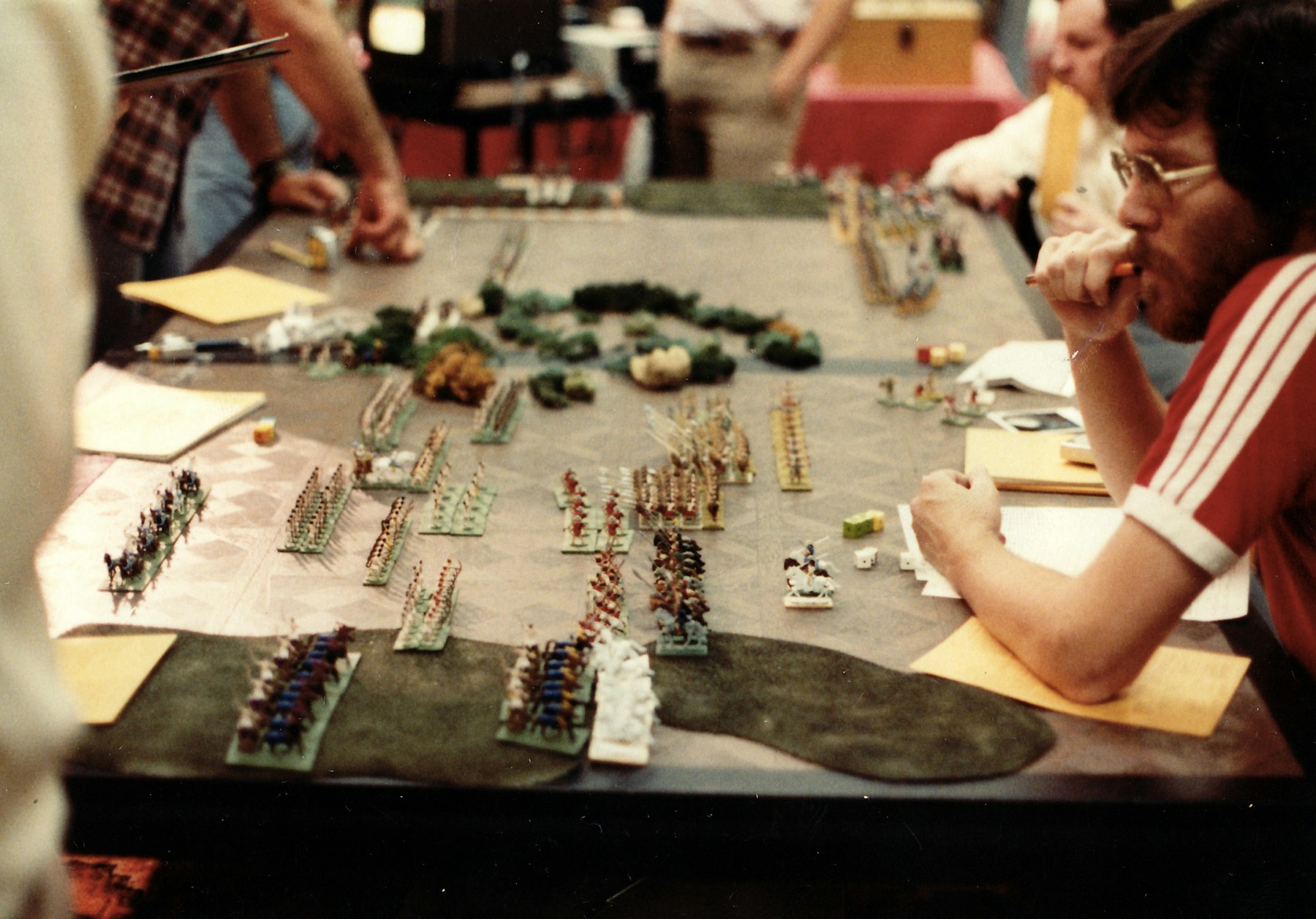
The table we are building
The ideal Momentum Dice Club table is collaborative, story-focused, and emotionally invested in the world. It has room for immersive roleplay, exploration, problem-solving, tactical combat, serious choices, and the kind of chaos that makes everyone laugh when the plan immediately falls apart.
New players are welcome. Experienced players are welcome. Nobody is expected to perform expertise. Everyone is expected to respect the effort that the other people bring to the table.
Player agency
Your decisions should genuinely shape the direction of the story and the people within it. The GM prepares situations rather than scripts, which means there is rarely one correct solution or predetermined sequence of scenes.
State what you are trying to achieve, not only which button or skill you want to use. Creative approaches are encouraged, especially when they engage with the fiction and create interesting consequences.
Agency also includes responsibility. Choices can change relationships, factions, opportunities, and danger. Consequences are not punishments; they are how the world shows that your actions mattered.
Share the spotlight
The story belongs to the table, not to the loudest person in the call.
- Notice when you have been driving the scene for a while.
- Invite other characters into decisions that concern them.
- Let emotional moments breathe without immediately undercutting them.
- Be interested in another player’s character even when yours disagrees.
- Avoid resolving another character’s problem for them unless invited.
Good collaboration does not require equal speaking time in every scene. It requires attention, generosity, and a willingness to help other players have meaningful moments.
Engage with the world
The game rewards curiosity. Remember names, ask questions, form opinions, and take relationships seriously. Memorable NPCs and faction intrigue become meaningful when the party treats them as more than quest dispensers.
You are not required to follow every lead. Choosing what matters is part of play. When you reject a path, make the choice clear so the table can move forward rather than waiting for an unspoken decision.
Get attached to fictional people. Make terrible decisions for the right reasons. Give the world a chance to surprise you.
Respect the group
Respect shows up in ordinary habits:
- Arrive on time or communicate when circumstances change.
- Give the session your attention.
- Do not talk over another player’s important moment.
- Learn the parts of your character that come up often.
- Keep disagreements about rulings calm and brief during play.
- Treat boundaries and safety tools as normal table practices.
The clearest red flag is dismissing the effort other players bring to the table. The campaign works when everyone helps protect the shared experience.
What to expect from the GM
You can expect organized sessions, clear communication, deliberate pacing, and respect for your time. You can also expect a reactive world, meaningful choices, memorable characters, tactical encounters with narrative stakes, and flexible responses to creative ideas.
The GM will make rulings, portray the world, and introduce pressure. The GM will not decide what your character feels, force a preferred solution, or require you to guess an unwritten plot.
The goal is not for the GM to tell you a story. It is for everyone to leave with memories of a story they built together.